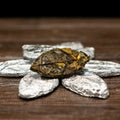
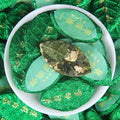
In our fast-paced world, where stress and hecticness often dominate everyday life, many people are looking for natural ways to find inner peace. This is where a special player enters the stage: GABA tea. Also known as “Gabalong,” this tea is much more than just a delicious infusion. It is considered a modern functional tea—a drink that combines enjoyment with specific physiological benefits.
What makes this tea special is its exceptionally high content of gamma-aminobutyric acid (GABA). This natural compound provides an effect we all desire: deep relaxation combined with mental clarity. Unlike calming herbal teas, which often make you sleepy, a high-quality oolong tea with GABA formula gives you focused serenity. It is the perfect companion for demanding workdays or relaxed evenings and has rightly become a global health trend.
What is GABA tea? Definition and origin
The term GABA may sound chemical at first, but it stands for something completely natural: gamma-aminobutyric acid (γ-aminobutyric acid). This is a non-proteinogenic amino acid that also plays a crucial role in the human body. As the most important inhibitory neurotransmitter in the central nervous system, GABA acts as a brake on our overstimulated nerve pathways. It dampens the transmission of stimuli and signals to the body that it is time to slow down.
The history of this innovative tea does not begin in ancient times, but in modern science. The effects of GABA tea were discovered in the 1980s. In 1984, Japanese researcher Dr. Tsushida from the National Institute of Advanced Food Research discovered that the GABA content in tea leaves could be massively increased through special storage. The first functional GABA tea was launched in Japan in 1987 and went on to conquer the tea world.
In order for a tea to be officially called “GABA tea,” it must meet strict standards. The difference between GABA tea and conventional tea is significant:
- Normal tea: Naturally contains only about 8 to 39 mg of GABA per 100 g of leaves.
- GABA tea: According to Japanese standards, it must contain at least 150 mg of GABA per 100 g. High-quality varieties often reach values of 250 mg to 350 mg.
These high values illustrate that this is a genuine functional beverage that goes far beyond conventional enjoyment and can be used specifically to promote well-being.
Production: Nitrogen instead of oxygen
How is it possible to increase the amino acid content in tea leaves to such an extent? The answer lies in a unique processing method often referred to as GABA fermentation.
Normally, tea needs oxygen to oxidize (as in black tea). However, in the production of Gabalong, the exact opposite happens. The freshly harvested tea leaves are placed in special chambers where oxygen is excluded. Instead of air, nitrogen is supplied to the leaves or they are exposed to a vacuum.
This anaerobic stress triggers a fascinating chemical reaction in the tea leaf:
- the naturally occurring glutamic acid is converted by enzymes into gamma-aminobutyric acid (GABA).
- This process takes several hours and must be controlled with extreme precision to avoid off-flavors.
Only through this precise control is it possible to maximize the positive properties without compromising the taste quality.
Production is a balancing act and requires a great deal of experience. If the tea master makes mistakes during fermentation or the conditions are not exactly right, the tea can develop an unpleasant, sour smell reminiscent of silage. A masterfully processed GABA tea, on the other hand, captivates with a complex, often fruity aroma without any unpleasant off-notes. This complex technology explains why good GABA tea is often more expensive than standard teas – it is the result of science and craftsmanship.
Gabalong or Gabaron: The differences
In the world of functional teas, terms are often used synonymously, which can cause confusion for beginners. However, the distinction is actually quite simple, as it primarily refers to the base tea variety used and the country of origin. While the nitrogen fumigation process is the same for both, the base tea results in a significant difference in taste.
Here is a clear distinction between the two main types:
- Gabalong: This name is derived from “GABA” and “oolong.” It is a semi-fermented tea that mostly comes from Taiwan, as the island is considered a leader in its production. The taste is smooth, full-bodied, and characterized by fruity or nutty notes, making it more accessible to many palates. A classic example of this is Oolong GABA Taiwan, from Taiwan.
- Gabaron: This variant is based on green tea and originates from Japan, the home of Dr. Tsushida. Since green tea is not oxidized, it retains its herbal, grassy notes and often has the highest natural GABA content. Its taste is fresher, but also slightly more tart than its oolong relative.
The choice between Gabalong and Gabaron is therefore purely a matter of taste. While the green Gabaron often has a more purist effect, the Taiwanese Gabalong offers a more complex, almost dessert-like experience. In addition to these two main players, there are now also GABA teas based on black tea or white tea, which further complement the spectrum of flavors.
Oolong Collection

Sale price
€17,9050g
€300,00 / kg


Effect: Why GABA tea is so healthy
The main reason people choose this tea is rarely just for its taste alone. The effect of GABA oolong tea aims to solve a modern problem: the imbalance of our nervous system. Due to its high amino acid content, the tea acts as a natural regulator that helps restore the balance between tension and relaxation.
Anti-stress and relaxation
Many GABA tea experiences report a state of “calm alertness.” Since GABA acts as an inhibitory neurotransmitter, it can dampen sensory overload in the brain. This effectively helps reduce stress and can slow down the constant “carousel of thoughts.” The specific effect of Gabalong tea is often described as mood-lifting and can help with anxiety or mild depressive moods by smoothing out emotional peaks.
Blood pressure and heart
Another medically relevant aspect is the use of GABA tea to treat high blood pressure. Studies and observations suggest that regular consumption can help regulate high blood pressure (hypertension) naturally. The relaxing effect is not limited to the nerves, but also affects the vascular muscles. By slightly widening the vessels, the pressure in the system can be reduced, which relieves the cardiovascular system in the long term. If you want to lower your blood pressure, this is a gentle supplement to conventional therapy.
Sleep quality
Sleep disorders are often the result of a lack of mental calm. Since GABA helps to slow down neural activity, the tea is often valued as a natural sleep aid. It can help to reduce the time it takes to fall asleep and improve the depth of sleep, which is particularly valuable for stress-related insomnia.
However, caution is advised here: since GABA tea comes from the tea plant (Camellia Sinensis), it still contains caffeine. For use in the evening, a special preparation method is therefore necessary to maximize the relaxing effect without stimulating the body with caffeine (more on this in the Preparation chapter).
In addition to these main effects, the tea is also valued for its ability to promote concentration and even help with hangovers by remineralizing the body and calming the nervous system.
Taste: What does Gabalong taste like?
There is a widespread prejudice that anything that is healthy must taste like medicine. With GABA tea, especially the oolong variety (Gabalong), the opposite is true. Thanks to its special fermentation process, this tea develops an aroma profile that surprises even experienced tea drinkers.
A high-quality Gabalong is characterized by a very smooth, almost oily body. Since the tannins are partially broken down during processing, it lacks the typical astringency. Instead, the following nuances dominate:
- Fruitiness: You can often taste distinct notes of ripe fruits such as peach or apple, accompanied by a hint of dried fruit.
- Acidity: There is a subtle, pleasant acidity in the background, reminiscent of fine balsamic vinegar or sherry.
- Aftertaste: The experience is rounded off by a long-lasting, sweet finish.
This complex flavor composition impressively proves that a functional health tea can also offer a genuine gourmet experience.
Preparation: Tips for the perfect cup
As this is a functional tea, you can control which ingredients are released by how you prepare it. The right accessories, such as a gaiwan or a small glass pot, help to bring out the subtle nuances to their best advantage.
Here are the two most important methods for different goals:
- For the evening (focus on sleep): Use a water temperature of approx. 70°C and a very short steeping time of only 30 seconds. Studies suggest that this releases 50–80% of the GABA content, while retaining the caffeine in the tea.
- For daytime (focus on enjoyment): To preserve the full spectrum of antioxidants and the full flavor, you can steep the tea in the traditional way at 80–90 °C for about 2 to 3 minutes or use the Gong Fu Cha method.
By varying the water temperature and steeping time, you can perfectly tailor the effect and taste of the tea to your current daily rhythm.
Side effects and who should avoid it?
GABA tea is generally considered to be very well tolerated and safe, as gamma-aminobutyric acid is a substance that our body also produces itself. Nevertheless, there are situations in which caution should be exercised.
Please note the following safety information:
- Low blood pressure: As the tea can effectively lower blood pressure, people with hypotension should monitor their consumption to avoid dizziness.
- Fatigue: Very sensitive individuals or excessive consumption may cause slight drowsiness, so individual tolerance should be tested before driving.
- Pregnancy: As with all functional foods, pregnant women and nursing mothers should consult their doctor before regular consumption.
If you take these few precautions into account, nothing stands in the way of safe and beneficial enjoyment of this special tea.
Conclusion: Balance for everyday life
GABA Oolong Tea is the perfect answer to the challenges of our modern lifestyle. It offers a rare combination: it tastes excellent, is 100% natural, and helps us maintain balance during stressful periods. Whether as an evening ritual for better sleep or as a gentle stress reliever in the office, this tea is a valuable companion for anyone who wants to do something good for their body and mind. Try it and find your personal island of calm in everyday life.