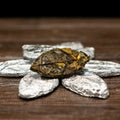
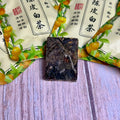
Weißer Tee ist etwas ganz Besonderes. Dank der schwachen Fermentation und der minimalen Verarbeitung erhält dieses einzigartige Getränk einen feinen, exquisiten Geschmack und ein außergewöhnlich angenehmes Aroma. Weißer Tee, der auf den berühmten Teeplantagen Chinas wächst, war jahrhundertelang sehr teuer und gehörte zum täglichen Speiseplan der Kaiser.
Weißer Tee wird aus den zartesten und jüngsten Knospen sowie Blättern der Teepflanze Camellia sinensis hergestellt, die ausschließlich von Hand gepflückt und schonend verarbeitet werden. Zunächst welken die Blätter in der Sonne und werden anschließend in speziellen Öfen bei niedriger Temperatur endgetrocknet. Dadurch bleiben alle wertvollen Eigenschaften der Pflanze erhalten, einschließlich einer großen Menge an Vitaminen und Antioxidantien.
Um ein schmackhaftes Getränk zuzubereiten, ist es wichtig, sowohl die Temperatur und die Qualität des Wassers als auch die Ziehzeit des weißen Tees zu berücksichtigen und ein Gefäß aus geeignetem Material zu wählen.
Einfluss von Wassertemperatur und -qualität auf den Geschmack von weißem Tee
Ein charakteristisches Merkmal von weißem Tee ist seine unverwechselbare Geschmackspalette. Es kommt jedoch vor, dass die Qualität des Tees hervorragend und das Aroma angenehm ist, der Geschmack nach dem Aufbrühen aber zu wünschen übrig lässt. Dafür kann es mehrere Gründe geben, aber die häufigsten sind eine falsch gewählte Temperatur und Wasserhärte.
Die optimale Wassertemperatur
Die Zubereitung von weißem Tee weist einige Besonderheiten auf. In erster Linie geht es um die optimale Wassertemperatur: Für diese Teesorte ist sie niedriger als für herkömmliche Sorten und liegt bei etwa 70–90 °C. Bei weißem Tee aus Blättern sollten Sie sich an einer Temperatur von 70–85 °C orientieren – unter diesen Bedingungen entfalten sich mit jedem neuen Aufguss seine zarten und süßlichen Noten vollständig. Besteht der Tee aus Blattknospen, empfiehlt es sich, mit einer Temperatur von etwa 90 °C zu beginnen und diese bei den nachfolgenden Aufgüssen schrittweise zu erhöhen.
Für einen komfortablen Teegenuss empfehlen wir die Anschaffung eines Wasserkochers mit Temperaturregelung. Die erforderliche Brühtemperatur für weißen Tee lässt sich auch erreichen, indem man nach dem Aufkochen portionsweise Wasser mit Zimmertemperatur in den Kessel gibt oder eine Weile wartet, bis es etwas abgekühlt ist (im Durchschnitt kühlt das Wasser bei Raumtemperatur in 2–3 Minuten um 20–30 °C ab).
Weißtee-Kollektion


Sale-Preis
€19,90100g
€170,00 / kg


Sale-Preis
€29,8070g
€360,00 / kg
Die Bedeutung der Wasserhärte
Weißer Tee besteht als Getränk zu 99 % aus Wasser, was bedeutet, dass dessen Qualität unweigerlich den Geschmack und Geruch des Getränks beeinflusst.
Das ideale Teearoma erzielt man mit mineralarmem Wasser. Am besten bereitet man das Getränk mit frischem, sauerstoffreichem Wasser zu. Beachten Sie dabei, dass jedes Aufkochen zu einem Sauerstoffverlust im Wasser führt.
Die besten Geschmackseigenschaften entfalten sich bei der Verwendung von gefiltertem oder abgefülltem Mineralwasser. Hartes Leitungswasser hingegen ist eine inakzeptable Option, wenn man einen tadellosen Geschmack und ein perfektes Aroma erreichen möchte.
Dosierung und Ziehzeit für weißen Tee
Bei der Zubereitung von weißem Tee empfehlen die Hersteller, auf Dosierung und Zeit zu achten. Eine traditionelle Teezeremonie dauert in der Regel etwa 1–2 Stunden. Natürlich haben wir im modernen Lebensrhythmus einfach keine Zeit für solch lange Teestunden. Umso wichtiger ist es zu wissen, dass man ein schmackhaftes, aromatisches und gesundes Getränk auch in wenigen Minuten erhalten kann, wenn man die grundlegenden Regeln der Zubereitung kennt.
Die richtige Dosierung pro Tasse
Um die ungefähre Dosierung von weißem Tee zu berechnen, sollten Sie die Zubereitungsmethode berücksichtigen.
Es gibt mehrere Arten der Getränkezubereitung, von denen jede Dir ein einzigartiges Erlebnis und die Möglichkeit bietet, seine unübertroffenen Geschmackseigenschaften zu genießen:
- Gongfu-Methode oder das Ritual des Geschmacks. Diese Variante eignet sich für die Verkostung des sich verändernden Geschmacks hochwertiger weißer Teesorten während vieler kurzer Aufgüsse. Dafür benötigen Sie 5 Gramm Tee auf 100 ml Wasser, eine kleine Tonkanne oder einen Gaiwan, ein Kännchen zum Abgießen und Verkostungsschalen.
- Die Köchelmethode. Ideal für gereifte weiße Tees in Form von Fladen oder Ziegeln oder um alle nützlichen Stoffe aus Blättern zu extrahieren, die bereits mehrere Gongfu-Aufgüsse hinter sich haben. Das Köcheln ist für zarte Blätter und Knospen absolut ungeeignet. Für die Zubereitung benötigen Sie etwa 5 Gramm Tee auf 500–700 ml Wasser und ein Gefäß aus Glas oder Keramik, das auf dem Herd verwendet werden kann. Nach dem Aufkochen lässt man den Tee eine Weile bei schwacher Hitze ziehen.
- Großvater-Stil. Eine einfache Art der kontinuierlichen Getränkezubereitung direkt in der Tasse für den Konsum über den Tag hinweg. Dosierung: etwa 1–2 Teelöffel pro Tasse oder circa 2–3 Gramm auf 150 ml Wasser. Das Gefäß wird zu etwa zwei Dritteln mit heißem Wasser gefüllt. Lassen Sie die Blätter auf den Boden sinken und das Wasser auf eine trinkbare Temperatur abkühlen, und genießen Sie den Tee mit seinem milden und angenehmen Geschmack. Gießen Sie im Laufe des Tages nach und nach Wasser nach.
- Westlicher Stil. Eine einfache und gewohnte Art, eine große Portion Tee in einer Kanne zuzubereiten, um ihn aus einer klassischen Tasse zu trinken. Verwenden Sie eine große Teekanne mit einem Volumen ab 400 ml mit einem Teesieb. Dosierung: 3 Teelöffel (etwa 4–5 Gramm) auf 250 ml Wasser. Die Blätter werden mit heißem Wasser übergossen und ziehen gelassen. Sobald das Getränk die gewünschte Stärke und den gewünschten Geschmack erreicht hat, nehmen Sie das Sieb heraus und trinken Sie.
Die Spezialisten von ARTEAMONY beraten Sie gerne zur besten Zubereitungsvariante für weißen Tee, abhängig von der Sorte und Deinen Vorlieben.
Empfohlene Ziehzeit
Weißer Tee ist eine der besten Teesorten für diejenigen, die gerade erst anfangen, dieses heilende Getränk regelmäßig zu konsumieren. Das liegt daran, dass er selbst bei langem Ziehen nicht bitter wird. Dennoch entwickelt weißer Tee mit zunehmender Ziehzeit einen herben Beigeschmack, was man berücksichtigen sollte. Eine leichte Herbheit an sich ist kein Nachteil, besonders wenn sie ausgewogen ist und einen komplexeren und tieferen Geschmack ermöglicht. Der Tee kann mehrfach aufgegossen werden.
Die empfohlene Ziehzeit ist immer auf der Verpackung angegeben. Oft handelt es sich dabei um eine Zubereitungsart, die eine längere Dauer erfordert. Das Ergebnis ist, dass Sie den Tee nicht öfter als dreimal aufgießen können. Bei einer schnelleren Zubereitungsmethode (etwa 2–4 Minuten beim ersten Mal) und der Verwendung einer größeren Menge an Teeblättern erhöht sich die Anzahl der Aufgüsse auf fünf oder sogar acht.
Wenn Sie die Aufgussmethode verwenden, erfolgt der erste Aufguss schnell, und jeder weitere dauert 10 Sekunden länger.
Und das Wichtigste: Es gibt einfach keine richtigen oder falschen Arten, weißen Tee zuzubereiten. Experimentieren Sie mit Zeit, Wassertemperatur und Methode – nur so können Sie den perfekten Geschmack von losem weißem Tee und portioniertem weißem Tee genau für sich finden.
Wahl der Sorte und des Zubehörs für weißen Tee
Qualitativ hochwertiger weißer Tee zählt zweifellos zur Kategorie der Elite-Getränke. Es gibt etwa 15 Sorten, von denen jede ihre eigenen einzigartigen Geschmacksmerkmale aufweist. Im Online-Shop ARTEAMONY finden Sie ein riesiges Teesortiment, darunter alle beliebten Sorten von weißem Tee in bester Qualität.
Beliebte Sorten und ihre Unterschiede
Besonders beliebt sind vier Sorten von weißem Tee:
- Bai Mu Dan oder Pfingstrosenblätter. Er wird von einem speziell gezüchteten Selektionsbaum gewonnen. Gesammelt werden nur Knospen, die von zwei flaumigen weißen Blättchen umgeben sind. Die Herstellungstechnologie wird von den Pflückern geheim gehalten. In fertiger Form zeichnet sich Bai Mu Dan durch einen zarten blumigen Duft und eine goldene Farbe aus, weshalb seine Beliebtheit bei Feinschmeckern auf der ganzen Welt unglaublich hoch ist.
- Bai Hao Yin Zhen oder Silbernadeln. Eine recht seltene und teure Sorte. Der Grund liegt in den kurzen Erntezeiten sowie der Abhängigkeit der Endproduktqualität von den Wetterbedingungen und der Auswahl von Teeblättern derselben Farbe. Dafür werden nur große und saftige Knospen gesammelt. Wenn Sie Bai Hao Yin Zhen einmal probiert haben, werden Sie seinen unübertroffenen Geschmack und sein Aroma nicht mehr vergessen können.
- Shou Mei oder Augenbrauen des Alten. Als Grundlage dienen bereits größere und ausladendere Blätter, die nach der Ernte der ersten beiden Sorten übrig geblieben sind. Daher auch der Name – Augenbrauen des Alten. Nach dem Aufbrühen erhält das Getränk einen recht dunklen und satten Farbton, hat einen herben Nachgeschmack und ein angenehmes Aroma.
- Gong Mei oder Augenbrauen der Darbringung. Die preisgünstigste Sorte von weißem Tee, für deren Herstellung ausgewachsene, vollständig geöffnete Blättchen und eine kleine Menge an Knospen verwendet werden. Geschmacklich erinnert er an Oolong-Tee, jedoch mit feineren Noten.
Zubehör für Zubereitung und Aufbewahrung
Der wahre Geschmack von weißem Tee entfaltet sich nur dann, wenn das Zubehör für seine Zubereitung und Aufbewahrung richtig ausgewählt wurde. Selbst die exquisiteste Sorte verliert ihre Magie, wenn man sie in einem Plastikbecher aufbrüht oder unter falschen Bedingungen lagert.
Geschirr ist keine Kleinigkeit, sondern ein wesentlicher Bestandteil des Teerituals. Welches Geschirr und welches Zubehör man für die Zubereitung von weißem Tee wählt, hängt von der Situation und sogar von Deiner Stimmung ab. Für den täglichen Teegenuss eignen sich bestimmte Produkte, für Gäste oder eine Zeremonie andere.
Das Erste, worauf wir bei der Auswahl des Geschirrs zu achten empfehlen, sind die Teekannen. Das Material und sogar die Form des Produkts beeinflussen den endgültigen Geschmack:
- Metallkannen (mit Ausnahme von Silber und Edelstahl) können oxidieren und das Aroma verfälschen.
- Poröser Yixing-Ton hält die Wärme hervorragend und verstärkt die Geschmacksmerkmale, erfordert jedoch, dass darin ausschließlich eine Art von Tee aufgebrüht wird.
- Glas, Porzellan, Keramik sind eine gute, neutrale Option für alle Teesorten. Kannen aus solchen Materialien sind neutral, verfälschen den Geschmack nicht, kühlen aber schneller ab als Tonkannen.
Wähle das Aufbrühgeschirr passend zur Sorte des weißen Tees und Deinem Zubereitungsstil.
Was die Aufbewahrung von weißem Tee betrifft, ist es wichtig, einige Regeln zu beachten:
- Direkte Sonnenstrahlen oder starke künstliche Beleuchtung können den Geschmack des Teeblatts schnell verderben. UV-Strahlung zerstört chemische Verbindungen, was zu einem Verlust von Farbe und Geschmack führt.
- Sauerstoff schadet frischem Tee, da er Oxidation verursacht, was wiederum eine Veränderung der Geschmacksmerkmale bedeutet.
- Erhöhte Feuchtigkeit führt zu Schimmelbildung und Bakterienwachstum. Selbst mäßig feuchte Luft kann einen muffigen Beigeschmack verursachen.
- Teeblätter absorbieren nicht nur Feuchtigkeit, sondern auch Fremdgerüche. Bewahren Sie weißen Tee nicht neben Kaffee, Gewürzen oder anderen stark riechenden Produkten auf. Andernfalls nimmt er mit der Zeit einen Geschmack an, der seiner Umgebung ähnelt.
Die besten Behälter für die Aufbewahrung von weißem Tee sind Dosen mit dicht schließendem Deckel aus undurchsichtigen Materialien (z. B. Edelstahl, Keramik) sowie wiederverwendbare, dichte Folienbeutel.
Teegeschirr-Kollektion


Sale-Preis
€69,90


Sale-Preis
€24,90


Fazit
Der tadellose Geschmack und das Aroma von weißem Tee sind ein wunderbarer Anlass, innezuhalten und jeden Moment des Lebens zu genießen. Und wenn man die zahlreichen nützlichen Eigenschaften dieses Getränks berücksichtigt, kann man es ohne Übertreibung als wahren Schatz bezeichnen. Wenn Sie schon lange weißen Tee probieren wollten, ist jetzt der ideale Zeitpunkt dafür! Im Online-Shop ARTEAMONY finden Sie die besten Sorten von weißem Tee. Unsere Spezialisten helfen Dir bei der Auswahl der besten Sorte und des Zubehörs für die Teezeremonie und beraten Sie zu den richtigen Zubereitungs- und Aufbewahrungsmethoden.