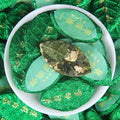
The fascinating world of tea is boundless and offers countless varieties on the global market. Within this vast diversity, however, yellow tea is an absolute rarity and is considered the rarest category of tea in the world. For many years, this golden gem was completely inaccessible to the West. The valuable knowledge of its cultivation and processing remained hidden deep in the mountains of China.
In the past, only a select few were permitted to drink this special treasure. Fortunately, today we too can enjoy this exclusive delicacy at our leisure. The beverage combines the vibrant freshness of green tea with a wonderful and distinctly noticeable smoothness on the palate. A delicate and gentle sweetness perfectly rounds out the entire taste experience at the end of every sip.
This harmonious combination makes the beverage in the cup an exceptionally special experience for the senses. An incomparable aroma unfolds anew with every single infusion. True tea connoisseurs greatly appreciate this gentle profile, as there is absolutely no unpleasant bitterness in the finished tea. We at Arteamony are delighted to share this centuries-old tradition of the art of tea with you.
What is yellow tea? The secret of the imperial rarity
Many beginners ask themselves a very simple question at the start of their journey of discovery. What is yellow tea, and what effect does it have on the human body in everyday life? The answer begins right with the outward appearance of this noble plant. The dried leaves have a light color, while the fresh infusion also glows in warm yellow tones. This beautiful hue is by no means a coincidence.
This variety is very closely related in its biological origin to well-known tea varieties. One can certainly consider green tea its direct predecessor. In early spring, the hardworking farmers harvest the fresh leaves, often picking only the finest buds. In ancient China, the color yellow was considered purely imperial and symbolized absolute power.
Only the emperor and his court were permitted to openly wear this color on their clothing. An ordinary citizen was never allowed to drink this noble beverage in their lifetime. An experienced tea master always guarded the knowledge of the elaborate production process extremely strictly from prying eyes. He passed on his artisanal secrets only to very select and loyal students in the province.
Genuine yellow tea is expensive today and hard to find on the market. That is why so-called fake yellow tea appears in various stores. Fraudsters sell old tea under a false name. However, you can easily recognize genuine quality by a few characteristics. Pay attention to the following details:
- The leaves shine in a clean and clear shade of yellow.
- Fake tea often looks dull, gray, or brownish.
- The aroma of an original is always floral and fresh.
- A fake usually smells flat or like hay.
- The genuine infusion shows absolutely no cloudiness in the cup.
These important points will help you greatly in making an initial assessment before a purchase. A counterfeit tea has usually lost its green color simply due to very poor aging. Compared to the original, it tastes flat and very unpleasant on the tongue. Genuine tea, on the other hand, is absolutely fresh and comes alive in the cup. Therefore, trust true experts when making a purchase.
The History of Yellow Tea: A Privilege of the Emperors
Every sip of this noble beverage is a true piece of culture. The long history of Chinese tea stretches back many centuries. The established traditions began as early as the Tang Dynasty and the later Ming Dynasty. Yellow tea was a very valuable commodity during this era. For a long time, it was reserved exclusively for the imperial court.
This rare variety owes its name not only to its golden hue in the cup. The bright mandarin-yellow color was reserved solely for the nobility throughout the empire. At that time, there were very strict rules at court regarding the consumption of this beverage. The following traditions strongly shaped that era:
- Each province had to regularly pay a high tribute to the powerful ruler.
- The regions sent their most exclusive and finest harvests directly to the grand palace.
- An ordinary person was not allowed to taste this imperial beverage at all back then.
- The valuable plants often grew on small and well-hidden islands shrouded in mist.
The art of its elaborate production remained an absolute secret to the general population. Buddhist monks in the mountains guarded this knowledge extremely carefully from prying eyes. They always passed their knowledge on to the next generation only orally. This isolation preserved the high quality for many decades. Today, old masters preserve this tradition.
The Unique Production Process: Men Huang Explained
The artful processing of this beverage is by no means an imperial secret anymore. However, it remains an exclusive craft with extremely high demands on the workers. A tea master needs a great deal of manual skill and absolute dedication. Yellow tea is created through a very slow and gentle processing of the leaves.
The most important step in the entire production process is known in China as Men Huang. This traditional term simply translates to “yellow sealing.” The diligent workers wrap the heat-treated leaves in special paper. Sometimes they also use thick, slightly damp cloths for this delicate step.
The leaves rest in this wrapping under the constant influence of moist heat. This special resting phase under the warm cloth can last up to three full days. The temperature remains constant for an extremely long time within the tightly packed tea leaves. At the same time, very little fresh oxygen reaches the moist material. The master constantly checks the leaves during this process.
This constant alternation of heat and rest requires a tremendous amount of expertise from the workers on the plantation. During this critical time, a fascinating chemical reaction takes place within the small plant. The oxidation process unfolds in several precise steps:
- The sustained heat causes a slow thermal breakdown of the plant’s organic compounds.
- The chlorophyll present in the fresh leaves is broken down very gently and naturally.
- This green pigment is normally responsible for the very grassy taste.
- Through the slow breakdown of this molecule, the unpleasant bitterness disappears completely.
After the gentle breakdown of the chlorophyll, another natural substance comes to the forefront. The so-called xanthophyll is now clearly visible to the human eye. This special pigment gives the leaves their characteristic, bright yellow color. This chemical process occurs entirely naturally and without any external chemical additives.
At the end of this long process, the harvest undergoes a final and very careful drying. Workers slowly roast the slightly oxidized tea leaves over hot charcoal. This final heat fixes the beautiful color and adds the finishing touch to the mellow flavor. A slight error in temperature immediately ruins an entire day’s precious production.
This rare specialty is thus a product of immense patience and the utmost precision. Farmers must make precise use of the very short window for the spring harvest. This enormous effort absolutely justifies the high price on the global tea market. Connoisseurs appreciate the mellow aroma and the special smoothness with every sip. We delight in this exquisite craftsmanship.
Yellow Tea Benefits: Why It’s So Healthy
Many people are deeply interested in the health benefits of different types of tea. They want to learn everything about yellow tea’s effects and its impact on the body. This exclusive infusion from China truly has a lot to offer in this regard. The gentle processing of the leaves preserves the plant’s valuable compounds very well. Researchers frequently study these unique properties in laboratories today.
The health benefits are primarily based on the gentle oxidation of the fresh leaves during production. Thanks to this method, extremely important substances such as antioxidants are very well preserved in the finished tea. These valuable elements effectively protect human cells from harmful external influences. At the same time, the beverage contains a very high amount of natural polyphenols beneficial for the entire body.
Another major advantage is how well the infusion is tolerated by the stomach in the morning. Regular green tea often irritates the sensitive stomach lining due to its very potent compounds. Yellow tea is significantly gentler in this regard and much easier for the body to digest. The breakdown of the plant compounds completely removes the drink’s harsh edge. It is the perfect choice for a sensitive stomach.
In addition to its gentle effect on the stomach, this infusion also provides excellent support for daily digestion. The enzymes released activate the metabolism in a very mild way after a heavy meal. The internal organs also benefit greatly from these cleansing properties of the small leaves. This natural detoxification helps the body cope very well with stress in hectic everyday life.
Many consumers often ask important questions about energy and alertness in the early morning. In practice, people ask quite directly: How much caffeine is actually in a cup of yellow tea? The honest answer depends heavily on the specific harvest and tea variety. The delicate spring buds naturally contain an extremely high amount of energy for the day. We have compiled the facts about caffeine in tea in an article for you.
However, the caffeine in tea affects the body completely differently than a strong cup of coffee in the early morning. The tea contains valuable amino acids with an extremely calming effect on the human mind. This clever combination creates a very harmonious state of clear alertness. Consuming it brings numerous and noticeable benefits for your daily concentration:
- The body absorbs the invigorating substances extremely slowly and absolutely evenly throughout the day.
- You no longer feel any sudden drop in energy in the late afternoon.
- The amino acids it contains soothe tense nerves in a completely natural way.
- The beverage promotes a very clear and absolutely focused mindset during daily work.
This perfect balance makes this fine beverage an ideal companion for very long workdays. The mind remains absolutely clear and pleasantly focused on all important tasks for many hours. At the same time, you completely avoid the unpleasant inner restlessness that follows the consumption of strong coffee. The heart beats calmly and the metabolism continues to function at a healthy rhythm. The body benefits from this gentle source of energy every day.
Green Tea Collection


Sale price
€11,908g
€1.260,00 / kg


The Proper Preparation of Yellow Tea
Many enthusiasts seek the perfect method for their daily enjoyment at the tea table. The right technique is crucial for the optimal taste experience in your own cup. People often wonder about the perfect balance between yellow tea’s caffeine content and preparation in the early morning. Fortunately, the delicate leaves are very forgiving of minor errors in temperature.
However, an excellent infusion always requires a certain degree of attention from the tea master. The ideal water temperature plays an enormously important role in the unfolding of the delicate aromas. Boiling water immediately and completely destroys the sensitive structures of the tender buds. We recommend a constant temperature of about 80 to 85 degrees Celsius for the best result.
After carefully pouring the water, the crucial phase for achieving the perfect taste in the mouth begins. The exact steeping time depends heavily on the chosen method and your personal preference. A brief contact with the warm water is entirely sufficient for the first delicate notes. You can easily reuse the wet leaves in the teapot for many more infusions.
The Western and traditional methods differ in some very important details. A beginner often finds it much easier to get started in this world with clear guidelines. The correct dosage of tea leaves is the absolute key to a well-rounded and smooth beverage. Follow these basic rules for your perfect brew at home:
|
Method |
Amount of tea |
Water temperature |
Steeping time |
|
European |
3 grams per cup |
80–85 degrees Celsius |
2 to 3 minutes |
|
Traditional |
5 grams in the vessel |
80–85 degrees Celsius |
30 to 40 seconds |
|
Cold brew |
4 grams per liter |
Cold water |
8 hours in the refrigerator |
These brief guidelines serve as a very solid starting point for your own experiments at the table. You can easily extend the steeping time by a few seconds with each subsequent infusion, based on your intuition. The choice of the right vessel also influences the final aroma in a very noticeable way. Traditional culture offers various beautiful vessels for everyday use.
A tall glass vessel offers an absolutely fascinating spectacle for the human eye. The delicate leaves slowly dance up and down in the warm water, unfolding their full splendor. Traditional yellow tea preparation in a gaiwan, on the other hand, focuses entirely on the deep flavor. This classic bowl with a lid preserves the volatile aromas much better in the enclosed space.
An experienced tea master almost always prefers the purely classic gaiwan for high-quality varieties. The thick porcelain is completely flavor-neutral and does not absorb any foreign odors from the air. The final decision between gaiwan vs. teapot ultimately remains a matter of personal preference. Both vessels have their established and well-deserved places in daily table settings.
The origin of the tea leaves also plays an extremely important role in the preparation and the resulting brew. An excellent example of the highest quality on the market is the very famous Huoshan Huangya. Among true connoisseurs, this special variety is considered the absolute standard for perfect enjoyment. The small buds unfurl in warm water into a true and rare beauty.
This exquisite brew offers an extremely complex profile with delicate notes of sweet and soft nuts. We recommend a very mindful and calm approach to this special treasure. A high-quality Yellow Tea “Hua Shan Huan Ya” rewards your patience with an incredible flavor in the cup. The aromas remain pleasantly present in the mouth long after the very last sip.
Preparing it at the tea table requires only a little practice and calm mindfulness in the moment. You can easily master this rare infusion at home with a few simple steps. The preparation process is a very relaxing break from the hectic and often noisy daily routine. Simply follow these basic instructions for your personal early morning ritual:
- First, lightly warm your preferred vessel with a little hot water.
- Carefully place the dry tea leaves into the warm bowl or pot.
- Pour a little water over the leaves and immediately discard this first infusion.
- This important rinsing step gently awakens the tea and perfectly prepares the leaves.
- Then, in a very gentle motion, pour the tempered water over the fine tea.
- After a short steeping time, pour the finished infusion completely into a small teapot.
These simple steps guarantee an absolutely perfect result in your own cup. The tea master always takes plenty of time for the tiny details at every single step. You will intensely feel the special quality of this imperial beverage with every infusion. The calm preparation is a wonderful path to greater inner balance in your own life.
Yellow Tea in Comparison: Green Tea, White Tea, and Other Varieties
Yellow tea is a truly unique category in the vast world of tea. It combines the best qualities from different worlds of plants. People often compare this rare variety with other well-known teas. A direct comparison is a huge help to many beginners as a first point of reference. It allows one to understand the subtle differences in flavor much better in detail. Its greatest distinction lies precisely in the golden middle ground between the extremes.
The greatest similarity, of course, lies with classic green tea from Asia. Both varieties use fresh leaves from the very first harvest in early spring. A high-quality green tea often has a very herbal and fresh taste. It reminds many drinkers of fresh grass or young, dewy spring meadows. Yellow tea completely loses this strongly grassy character due to slow oxidation.
The enormous difference becomes even more apparent in the mouthfeel. Many green varieties have a slightly bitter and rough quality on the palate. A true expert often describes this dry sensation in the mouth as astringent. Yellow tea, on the other hand, is not at all astringent or unpleasantly bitter. Its incredibly soft texture caresses the palate like liquid silk with every sip.
Another very interesting comparison can be drawn with delicate white tea. A fine white tea captivates with its extreme lightness and very subtle floral notes. Yellow tea, however, has a significantly more complex structure overall. It offers a deeper sweetness and often subtle nuances of deliciously roasted nuts. This added depth makes it a very exciting experience for connoisseurs.
A closer look at the different characteristics illustrates this picture:
- Green tea offers fresh and strongly grassy notes in a light infusion.
- White tea captivates with a very delicate and absolutely light structure.
- Yellow tea delivers a gentle sweetness and zero astringency in the mouth.
- Other varieties such as oolong are significantly more oxidized and much darker.
This precise comparison highlights its unique position in the market. This yellow rarity fills a small yet exquisite niche in the vast world of tea. It combines healthful freshness with a perfect, soft mildness. Every tea lover should taste this wonderful distinction for themselves. The noble aroma lingers long in the memory of the fortunate drinker.
Conclusion: A rare treat for true tea connoisseurs
Yellow tea is undoubtedly one of the most fascinating discoveries in the world. It tells an ancient story of powerful emperors and mysterious monks. This rare specialty is absolutely not a drink for the morning rush. Rather, it is a very tranquil indulgence for people with plenty of time and leisure. The complex infusion demands full mindfulness and attention from the drinker at the table.
The labor-intensive production process requires extreme patience and a high level of craftsmanship. The magnificent result rewards us with an incomparable smoothness on the palate. Its gentle sweetness and the complete absence of bitterness make it absolutely unique. We cordially invite you today to embark on this wonderful journey of flavor. Discover this rare treasure and its rich aroma together with Arteamony.
Treat yourself to this luxurious moment in your often very hectic daily life. A true tea connoisseur values the tranquil preparation as a fixed daily ritual. The bright yellow cup brings a genuine piece of Chinese history into your home. Experience the absolute harmony of body and mind with every single sip. We look forward to hearing about your personal experiences with this imperial masterpiece.