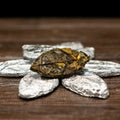
The terms “premium” and “exclusive” are ubiquitous this season. They suggest marketing strategies, but the highest quality tea is rooted in a rich culture. Premium quality is not a trend or a label on the packaging, but rather a decisive factor: high-quality, carefully selected tea leaves, cultivation on the most beautiful plantations in the world, processing by leading producers and tea masters, and proper storage. Buying premium tea is a wonderful decision, because these characteristics shape its reputation.
It is a simple choice that guarantees you what makes real premium tea that meets your needs and is a high-quality product.
The definition of premium tea: craftsmanship instead of marketing
When producing top-quality tea, quality control is of the utmost importance at every stage of production. The location of the plantation and the cultivation method, the harvesting of the best tea leaves, proper processing and storage – everything is crucial.
One of the most important characteristics of premium tea is its origin. The best varieties always come from a specific region or even a specific plantation. For example, the famous high-mountain oolongs from Alishan Province or the high-quality Pu-Erh teas from Yunnan are so highly prized precisely because they have been harvested in these regions for many years and processed using traditional methods.
Unlike industrially produced tea, where tea leaves from different plantations are blended to achieve the desired taste and aroma, excellent tea often comes from a single plantation – the harvest comes from a specific region, in some cases from a specific plantation or even from a single high-altitude growing area.
Most high-mountain oolongs from Alishan Province, for example, are characterized by a pleasant, creamy smoothness and a cool, floral aroma, which is precisely due to the humid climate with frequent fog at these altitudes. Aged Yunnan Pu'erh teas are prized by connoisseurs for their careful harvesting and processing, which produce complex, rich aromas and flavor nuances.
How can you recognize premium tea? The pillars of quality
Important criteria for premium tea Quality:
- This consists of whole tea leaves that have been carefully picked by hand.
- The tea is harvested at a specific time of year (the first, most tender leaves picked in spring are particularly valuable).
- High-quality tea is always available in limited quantities.
- No artificial flavors or additives are used in its production.
- The harvest date is clearly indicated on the packaging.
- The complexity of the flavor and its development during infusion – the tea changes with each infusion, revealing different flavor nuances.
On closer inspection, the difference between standard and premium tea becomes clear:
-
Leaf quality. Premium tea can be recognized visually by the uniformity of the batch, the elasticity and firmness of the leaves, the absence of dust and fragments, the natural shine, and the presence of silvery hairs in varieties that use young buds from the tea plant.
Lower-quality tea contains stems, crumbs, and fragments of various colors.
-
Aroma before infusion. The most important characteristics include the absence of synthetic odors and a pure, multi-layered, natural aroma that unfolds gradually.
The aroma of high-quality Wuyi Shan Oolongs is characterized by nuances of lilac and orchid, cream, and roasted nuts. Sheng Pu'er teas smell of dried fruit, pine wood, and have a slight smoky note. Darjeeling teas are characterized by nutmeg notes and a fine astringency. Fujian teas always have floral and mineral nuances.
-
Color and texture of the infusion. High-quality tea is clear and pure after brewing. A cloudy drink most likely indicates improper production and storage.
The texture of the infusion is silky, full-bodied, and rich, but not harsh.
- Aftertaste. One of the most important characteristics of high-quality tea is a pleasant, lingering aftertaste. Each sip leaves a feeling of freshness, slight sweetness, and no unpleasant astringency.
Terroir and harvest: Why origin is crucial
Terroir is crucial for the production of high-quality, truly elite teas. It describes the interplay of altitude, microclimate, soil conditions, and humidity at the location of the tea plants. High-altitude plantations produce teas that have a more concentrated aroma and a softer texture after harvesting and processing, as the leaves grow more slowly under these conditions. The season also plays an important role. The spring harvest is the most valuable, as the young buds contain the highest concentration of essential oils. Leaves harvested in autumn are soft and sweet, while those harvested in summer are more intense and tart. Particular emphasis is placed on hand-picking, in which the buds and the first two leaves are harvested. This method produces delicate tea leaves and guarantees a balanced flavor. In addition, there are varieties that are harvested from old tea trees (Gushu). Their root system reaches deep into the ground and gives the tea a richer, more mineral-rich and complex flavor.
Processing and maturation: special features of Pu-Erh and Oolong
After harvesting, the crucial phase begins: processing. This is when the character of the tea is revealed.
Pu'er
Pu'er is unique in that it undergoes post-fermentation. Pu'er tea is available in the following varieties:
- Sheng (raw) – young, slowly matured green tea with a strong tonic effect and a pleasantly tart, slightly bitter taste.
- Shu (matured) – fermented tea obtained through wet storage. This tea contains many beneficial bacteria that promote normal bowel function.
Matured Pu'er can be stored for decades. With age, its flavor becomes smoother and deeper, with woody, nutty, and camphor-like notes. Like a good wine, it develops over time.
Therefore, one of the most sought-after teas is Shou Pu-erh Old Comrade “Recipe 7978”, 2007. For anyone interested in a Pu'er tea variety, ARTEAMONY's Pu'er introductory set with Pu-Erh Discovery Pack: 10 types of Shou and Sheng Pu-Erh is a great choice.
Oolong
Oolong is a semi-fermented tea. Its uniqueness lies in the fact that the tea master can individually regulate the degree of oxidation (from 10% to 70%). Light oolongs have floral notes, while darker varieties develop caramel and roasted nuances in taste and aroma. Oolongs from the mountainous regions of China are particularly sought after, as the climate there provides a perfect balance between sweetness and minerality. Their maturation takes place in several steps: first, the tea leaves are left to wilt, then shaken to initiate fermentation. The aroma is then captured and the leaves are rolled and roasted. Each step requires precision, as even the smallest mistakes in preparation can affect the taste of the finished drink.
Premium Oolong Set: GABA Oolong and Oriental Beauty is the perfect product in our ARTEAMONY online shop for true connoisseurs of high-quality tea.
Pu-Erh Collection


Sale price
€159,80714g
€190,00 / kg


Sale price
€99,90357g
€200,00 / kg


Sale price
€17,90100g
€160,00 / kg


Sale price
€29,90100g
€260,00 / kg


Sale price
€19,90100g
€170,00 / kg


Sale price
€49,90357g
€110,00 / kg


Sale price
€47,90357g
€100,00 / kg


Sale price
€39,90357g
€80,00 / kg


Sale price
€36,90357g
€80,00 / kg


Sale price
€35,90200g
€150,00 / kg


Sale price
€13,9050g
€250,00 / kg


Sale price
€8,905g
€1.510,00 / kg


Price and value: Why true tea excellence is worth the price
Why is high-quality premium tea worth it? It's all about price and value, which are determined by objective factors:
- Handcrafting;
- Limited quantities;
- High-altitude cultivation;
- Long, careful, and multi-stage maturation;
- Transportation and proper storage.
In addition, some varieties are only produced for a few days a year, which makes them particularly rare.
It is crucial to understand that with good tea, price and value are inextricably linked. A brand can simply be expensive. Only a premium collection characterized by complex aromas, deep fragrance, and purity in the finish is valuable. Truly premium tea is economical to use: high-quality leaves can withstand several infusions, gradually unfolding their full aroma and thus providing true enjoyment when brewing and drinking.
The perfect experience: the influence of accessories and ritual
High-quality tea only unfolds its full potential when prepared correctly. The following factors are crucial for this:
- soft water,
- the exact temperature,
- suitable, high-quality tea utensils, and
- the right ratio of tea leaves.
A traditional gaiwan or clay pot helps to preserve the aroma and texture of the infusion. High-quality, mineral-free water allows the purity of the flavor to come into its own. But the ritual of tea preparation does not necessarily have to take place within your own four walls.
With the Xi Shi ceramic travel tea set (black) for 4 people, you can enjoy your favorite drink on business trips and other excursions.
High-quality tea is more than just a drink. It is a ritual that gives you time to pause, relax, and enjoy the exquisite taste and aroma.
Conclusion: How to find your perfect premium tea
Finding the perfect tea for your taste and needs is an enjoyable and enriching experience. Start with the basics of tea cultivation, harvesting, and processing. Try different stages of fermentation and pay attention to the aftertaste and sensations in your body after each sip.
Find a reliable supplier. The ARTEAMONY online shop offers a comprehensive selection of high-quality, rare, and original teas. We clearly indicate the origin and best-before date of all products, work directly with trusted suppliers, guarantee optimal storage conditions, and always stock freshly harvested teas from the best tea plantations.