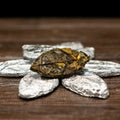
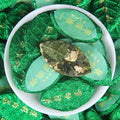
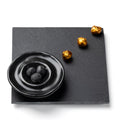
Gong Fu Cha represents mastery achieved through time and dedication. This tradition from China is far more than just a simple way of preparing tea. True expertise requires years of study and practical practice at the tea table. Every detail in the preparation significantly influences the result in the cup. For all connoisseurs, the highest quality is always at the heart of the entire ceremony.
The spiritual path of tea is known as Cha Dao. This philosophy leads people to a valuable inner peace. Mindfulness forms the true core of every movement during the ritual. One consciously leaves the stress of everyday life behind and finds stillness. The delicate rising steam gently clears the mind and calms the spirit.
Performing the Chinese tea ceremony correctly requires full mental presence. One intensely perceives the subtle nuances in the aroma with all the senses. The simple aesthetics of the utensils underscore the respect for the power of nature. It is an invitation to slow down in a fast-paced world. A true delight for body and soul awaits all who discover it.
The Evolution of Tea Enjoyment: A Brief Look at History
The history of tea enjoyment in China is very old and multifaceted. During the Tang Dynasty, the leaves were still boiled directly with salt in a cauldron. Later, during the Song Dynasty, the preparation method changed fundamentally. The tea was ground into a fine powder and artfully whisked. A legacy of this era is the well-known Matcha tea. This development eventually led to whole loose leaves becoming the new standard for enjoyment.
- Boiling tea leaves with salt in the early Tang Dynasty.
- The whisking of fine tea powder during the Song Dynasty.
- The brewing of loose leaves since the beginning of the Ming Dynasty.
These phases clearly illustrate the long journey toward the modern tea ceremony. Those who wish to learn more about the deep roots of this tradition should read the History of Chinese Tea. People have always sought the purest aroma of the precious leaf for their personal enjoyment. Simplicity eventually became the highest form of art. This development laid the solid foundation for today’s Gong Fu Cha.
Choosing the Tea: Characteristics of Pu-Erh, Oolong & Co. in Gong Fu Cha
In the fine art of Gong Fu Cha, the quality of the raw materials plays a decisive role in its success. It is important to understand that not just any tea variety is suitable for this method. Only high-quality, whole leaves can withstand the intense heat of the water without losing their qualities. An inferior tea would lose its flavor completely after just a few infusions. Connoisseurs therefore seek out hand-picked varieties from renowned regions with old tea trees.
These special leaves possess a high concentration of valuable compounds for extraction. Only a complex cell structure allows for the many infusions in the traditional ceremony. A good tea for the session must release its aromas evenly over many rounds. When purchasing, one pays particular attention to the integrity of the leaves and the freshness of the harvest. The leaves should exude a very clear and natural fragrance when dry.
Only when steeped in hot water do the tea leaves reveal their true identity and hidden power. An experienced master of ceremonies can recognize the quality simply by the color and shape of the roll. The right choice forms the foundation for a harmonious experience at the tea table. Each variety brings its own unique energy and individual character to the room. Thus, every session becomes a new journey of discovery through the fascinating world of plants.
Pu-Erh Tea: Maturity and Depth in Every Infusion
Pu-Erh tea is often referred to as the true king of the Chinese tea ceremony. This special tea comes exclusively from Yunnan Province and matures over many years. In the practice of the Gong Fu Cha ceremony, it unfolds a depth without equal. With every year of aging, it gains complexity and a gentle structure. A key characteristic of Pu-Erh tea in the Gong Fu Cha ceremony is the transformation of its flavor over ten or more infusions. At the beginning, strong and dark nuances often dominate the connoisseur’s palate in an intense way. With each subsequent infusion, the profile slowly transforms into a pleasant sweetness in the finish. Those who wish to experience this journey can purchase high-quality Pu-Erh tea and discover its maturation.
The distinctive characteristics of this variety can be summarized as follows:
- The young Sheng Pu-Erh, with its fresh and often astringent character, for connoisseurs.
- The Shou Pu-Erh, with its deep and earthy notes in the aroma of the infusion.
- The fascinating transformation of the aromas from the first to the last infusion.
- An oily and viscous texture for a particularly pleasant mouthfeel.
Many enthusiasts particularly appreciate the calming effect on overall well-being during the session. Fermentation plays a decisive role in determining the purity and clarity of the final brew in the cup. You can feel the power of ancient trees in every sip of this dark treasure from Yunnan. Pu-Erh is the ideal companion for long, meditative sessions in silence. It requires a great deal of patience and attention to its entire story. The leaves remain stable throughout the ceremony and release their energy only slowly.
Oolong and other fine varieties: The unfolding of aromas
Oolong tea is often referred to as the chameleon among teas. It offers an incredible spectrum of scents, ranging from floral to roasted notes. Its tightly rolled leaves open very slowly in the teapot before the observer’s eyes. With each infusion, the oolong reveals new secrets of its profile to the tea drinker. The complexity of this variety is almost unique in the plant world and fascinating for any beginner. You can choose between different levels of oxidation to tailor the desired experience at the tea table. A light oolong evokes fresh spring flowers and green meadows. A heavily roasted tea, on the other hand, brings notes of honey or fine wood. Each variety has its own specific requirements for steeping time and water temperature.
These fine varieties are also suitable for a varied ceremony:
- White tea with its extreme delicacy and subtle elegance in the cup.
- Green tea for a clear umami and fresh liveliness on the tongue.
- Black tea for a deep and warming effect on cool days.
Choosing the right tea thus depends heavily on the host’s personal preference. One should always prioritize purity to fully unlock the plant’s potential. By selecting the right leaf, every ceremony becomes a unique journey of discovery for the senses. It is the art of balancing water with nature’s precious gift. Those who try the different varieties get to know China’s rich culture better with every sip. Understanding these subtle differences is the foundation for a harmonious performance of the ritual. A high-quality tea retains its structure even after many rounds in the pot.
Gong Fu Cha Utensils: The Tea Master’s Tools
A tea master’s tools are often referred to as the four treasures of the study. Every object on the table has a clear functional role in the ritual sequence. Without the right accessories, the entire ceremony remains incomplete and disharmonious to the observer. The choice of materials influences not only the warmth but also the taste of the tea. High-quality utensils are a worthwhile investment in daily mindfulness practice. You can feel the quality of the tools with every movement. The arrangement of the pieces creates an atmosphere of concentration and inner peace for all guests.
When choosing a brewing vessel, the practitioner has two main options. A gaiwan is the universal lidded bowl for almost all of the world’s fine and delicate teas. It allows for a completely clear view of the leaves throughout the entire brewing process. In contrast, there are teapots made from the special, porous clay of Yixing. This special clay retains the aroma of the leaves within its fine walls for many years. Ideally, one should always brew only a single type of tea in each pot over the long term. In this way, the vessel develops its own character and a distinctive luster over time.
A thorough comparison of the vessels helps in deciding on the first set for the table. Details on the advantages can be found in the guide Gaiwan vs. Teapot for beginners. A porcelain gaiwan is flavor-neutral and cools the leaves slightly faster than thick clay. A clay teapot, on the other hand, retains heat significantly longer and is ideal for dark tea varieties such as Pu-Erh. Beginners should try both options to find their own style of preparation. The right tool helps the tea master unlock the plant’s full potential.
In Chinese, the serving bowl is affectionately called a Cha Hai, or “bowl of justice.” It serves to evenly blend the finished infusion before serving. Without this important intermediate step, the strength of the tea in the individual bowls of the guests would vary greatly. The vessel thus represents fairness and respect toward all participants at the table. Only after the tea has rested in the Cha Hai is it poured into the small drinking bowls. This guarantees every guest an absolutely identical taste experience in every round of the ceremony.
A tea ship or a special tea tray safely catches any excess water during the ceremony. The deliberate spilling of water is an integral part of the ritual cleansing process of the vessels. It ensures a clean workspace and underscores the serene aesthetic of the entire room. The material of the tray often retains the pleasant warmth for a long period of time. Many tea tables are made of fine wood or stone and have a very grounding effect. The arrangement of all the pieces on the tray creates a clear structure for the host’s mind.
For an authentic experience, you will need the following utensils:
- A gaiwan or a clay teapot for steeping the leaves.
- A matching Cha Hai for mixing the finished tea.
- Small ceramic drinking bowls for tasting.
- A bamboo tea tray to catch the water.
The right combination of these tools creates the foundation for daily enjoyment at the table. Those starting this hobby often look for suitable Gong Fu Cha utensils for beginners at specialty stores. A simple set usually provides the ideal start to one’s personal journey into the world of tea. It is always worth investing in high-quality, natural materials for a long-lasting practice. Over time, each utensil becomes a cherished companion during every quiet session. The joy derived from these tools noticeably enhances the quality of the entire experience for the host.
Tea Collection

Sale price
€29,8070g
€360,00 / kg


Sale price
€17,9050g
€300,00 / kg


Sale price
€14,9070g
€180,00 / kg


Sale price
€11,908g
€1.260,00 / kg

Sale price
€11,9050g
€200,00 / kg


Sale price
€14,9035g
€340,00 / kg

Sale price
€14,9035g
€340,00 / kg


The ceremonial process: Step by step to the perfect cup
The ceremonial process of Chinese tea preparation is a fascinating interplay of absolute precision and flowing elegance. Every step in this tradition has a deep meaning and serves to maximize the unfolding of the flavor. An experienced tea master performs the movements with deliberate slowness and high concentration. This calm approach quickly creates an atmosphere of deep harmony at the table. The preparation begins long before the first infusion, in the silence of the room.
The host’s mental attitude is an invisible yet absolutely crucial ingredient for the success of the entire ceremony. One takes sufficient time to leave everyday life behind and fully arrive in the moment. The utensils are arranged with care on the tea tray and lovingly prepared. A clean environment helps the mind to better perceive the nuances of the tea later on. It is a constant dialogue between the person and the precious natural product.
In Chinese tea culture, water is considered the mother of tea and requires special attention when selecting it. Only soft spring water can fully bring the hidden treasures of the dried leaves to light. The temperature must be precisely tailored to the tea variety and its individual character. A delicate green tea burns in boiling water, while a Pu-Erh requires high heat. The art lies in the perfect balance of the elements at the tea table.
The Preparation and Awakening of the Leaves
The first physical step at the tea table is to thoroughly preheat all vessels with hot water from the kettle. This important step prevents a sudden drop in temperature upon contact with the tea leaves. Pour the water into the teapot and then distribute it evenly into the Cha Hai and the bowls. A warm temperature gives the leaves the necessary energy and optimally prepares the environment for extraction. The remaining water is ritually poured into the tea vessel at the end.
Once the vessels have reached the correct temperature, the dry leaves are carefully placed into the warm pot. Each guest can now intensely perceive the first aroma of the warmed leaves from the gaiwan. This is followed by the washing step, during which the leaves are covered with hot water for a few seconds. This infusion is not drunk, but serves solely to cleanse and gently open the leaves. This process is traditionally called the first awakening of the fine tea in the pot.
- Carefully preheating all vessels with hot water to ensure an absolutely constant temperature in the room.
- Pouring the dry tea leaves into the preheated gaiwan or the small Yixing clay teapot.
- Smelling the leaves together to make an initial assessment of the high quality of the current harvest.
- The brief rinsing step to cleanse and prepare the leaves for the subsequent rounds at the table.
The meticulous execution of these preparations lays a stable foundation for the entire session. Once the tea has been properly washed and awakened, it can unfold its full potential without any disruptive influences. The tea master uses this brief moment of calm to deepen his own concentration for the first true infusion. The pores of the leaves are now wide open and ready for the pure water. Each guest now feels the growing anticipation of the shared experience at the table.
The Infusion and Mindful Serving
Now the true magic of the ceremony begins with the first proper infusion for the waiting guests at the tea table. The hot water is poured in a steady stream over the opened leaves in the teapot or gaiwan. With this method, the steeping time is usually extremely short and chosen with great precision compared to Western methods. Often, just a few seconds are entirely sufficient to create a highly complex aroma in the small bowl. The master concludes this delicate process at exactly the perfect moment.
The finished tea is now quickly and without hesitation poured from the pot into the waiting decanter. In this Cha Hai, the various layers of the infusion blend together in a very harmonious way. This reliably ensures that every guest receives exactly the same taste experience in their bowl. Emptying the pot completely is of the utmost importance so that the leaves do not continue to steep during the pause. This prevents an unpleasant bitterness in the delicate profile.
From the decanter, the golden infusion is finally distributed evenly into the guests’ small drinking bowls. Out of pure courtesy, the bowls are never filled to the brim; instead, some space is always left out of respect. Guests pick up the bowl with both hands and first admire the fascinating color of the beverage in the light. Only then do they bring the bowl to their face and inhale the rising aroma deeply. The first sip is slowly rolled across the entire tongue to explore the flavors.
- The calm pouring of hot water over the prepared leaves in the pot right at the table.
- Strict adherence to the brief steeping time for a perfect balance of flavors without any bitterness.
- The complete pouring of the finished infusion into the Cha Hai to evenly blend the strength.
- The distribution into the small cups and the mindful enjoyment with all the senses in the group.
The precision in serving is a powerful expression of the host’s deep appreciation for their friends in attendance. Every movement appears effortless, yet years of experience are evident in the gentle tilt of the teapot at the table. The silence in the room is broken only by the soft splashing of the water and the clinking sound of the ceramics. This special moment of tranquility is shared as a deeply connected community. The warm bowl conveys a profound sense of complete comfort.
With each subsequent infusion, the tea leaves reveal new facets of their character and tell a different, captivating story. The tea master intuitively adjusts the temperature and the exact steeping time for each new round to account for these changes. A high-quality tea from good growing regions can easily withstand ten to fifteen infusions without losing any of its quality. At the end of the ceremony, one respectfully observes the unfurled leaves in the pot. One leaves the tea table with a clear mind and a deeply relaxed body.
Water Temperature and Steeping Times: The Balance of Time and Elements
Water temperature and the exact steeping time are the two most important variables for a successful ceremony. Every tea master knows that the balance of these elements determines the final flavor in the cup. Incorrect heat can destroy the delicate structure of the leaves or fail to fully release the hidden aromas. The chemical composition of the tea reacts extremely sensitively to even the slightest change in the process. Mastering these parameters requires a great deal of practice and a deep understanding of the nature of the respective plant.
For the various varieties, clear guidelines—proven over centuries—apply directly at the tea table. A green or white tea requires gentle handling with water heated to about 80°C for perfect extraction. At higher temperatures, the tannins dissolve too quickly and create an unpleasant bitterness in the guest’s mouth. Dark varieties, such as aged Pu-Erh or heavily roasted oolongs, on the other hand, require boiling water. Only this intense heat, between 95°C and 100°C, can break down the firm cell structures and extract the deep notes.
- A delicate green or white tea at a gentle 80°C water temperature.
- A light oolong tea at a temperature of about 90°C for floral notes.
- A dark oolong or robust black tea at a hot 95°C in the teapot.
- An aged Pu-Erh tea at a bubbling 100°C for maximum depth.
Steeping time is the second decisive factor in the chemistry of flavor within the small bowl. Every additional second in the hot water noticeably extracts more compounds from the opened pores of the tea leaves. With the Gong Fu Cha method, the first infusions often last only a few breaths for the guests present. With each subsequent round, the master gradually increases the time by a few counted seconds to ensure consistency. This prevents unwanted bitterness and guarantees a harmonious enjoyment right down to the very last drop.
Conclusion: Your personal journey to the art of tea with Arteamony
The traditional Chinese tea ceremony is an exciting journey that lasts a lifetime. Over the years, everyone develops their own unique style at the tranquil tea table. In the beginning, one should never be afraid of small mistakes in the daily preparation of the leaves. Every slight miscalculation of time and every incorrect temperature are valuable lessons on the long path to mastery. Consistent practice teaches us patience, mindfulness, and a deep respect for the power of the surrounding nature.
The first step on this journey is always choosing the right, high-quality leaves for your cup. An excellent tea forgives initial uncertainties and rewards you with a rich profile with every sip. Begin your personal journey into the art of tea with Arteamony’s hand-selected varieties. Discover the diversity of flavors and find your own inner balance at your tea table at home. The world of tea lies wide open before you, waiting to be explored with all your senses.